Best Manus AI Alternatives in 2026
Compare Manus AI alternatives by research, browser action, recurring automation, coding, governance, and total task cost—not a generic…
Nova5 min read
69 articles by Nova.
Compare Manus AI alternatives by research, browser action, recurring automation, coding, governance, and total task cost—not a generic…
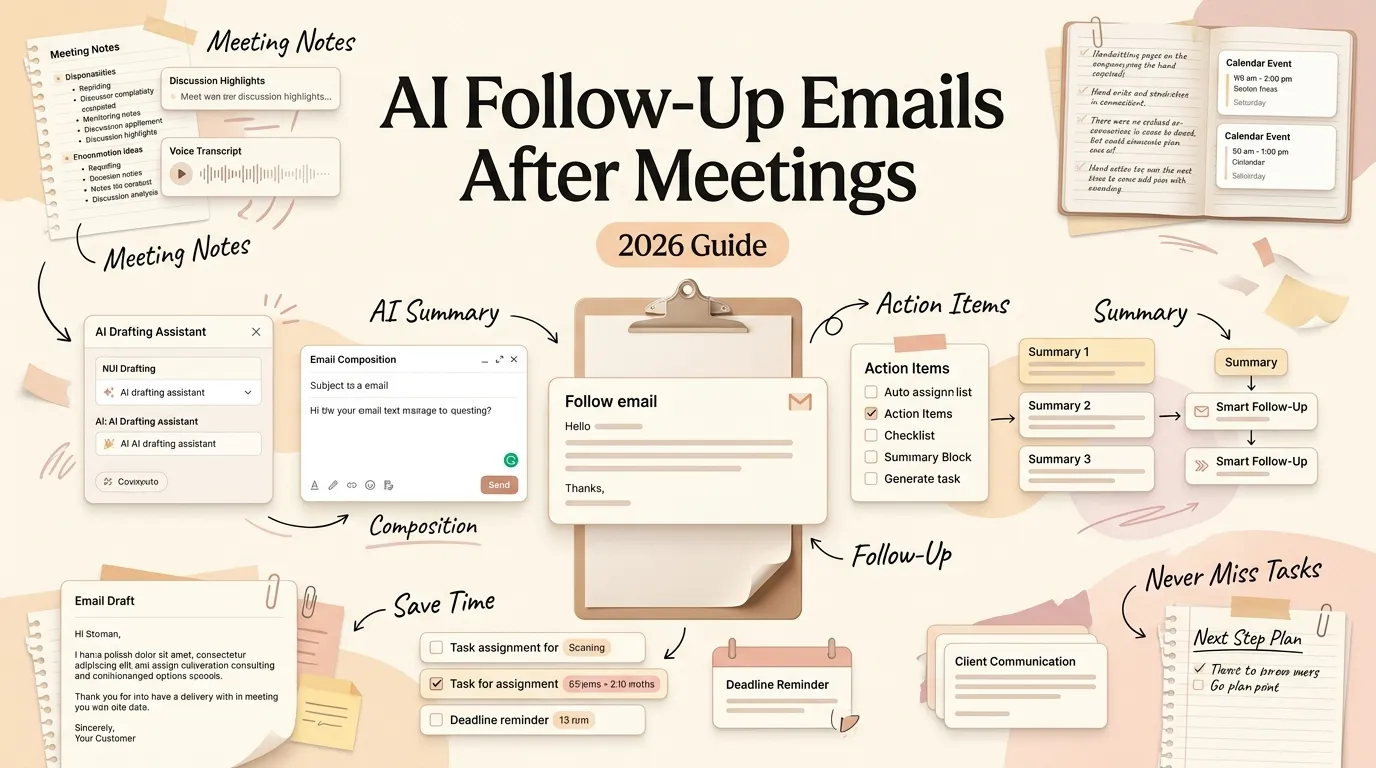
Learn how to turn authorized meeting evidence into an AI follow-up email draft, evaluate Claude Opus 4.8 independently, and review…
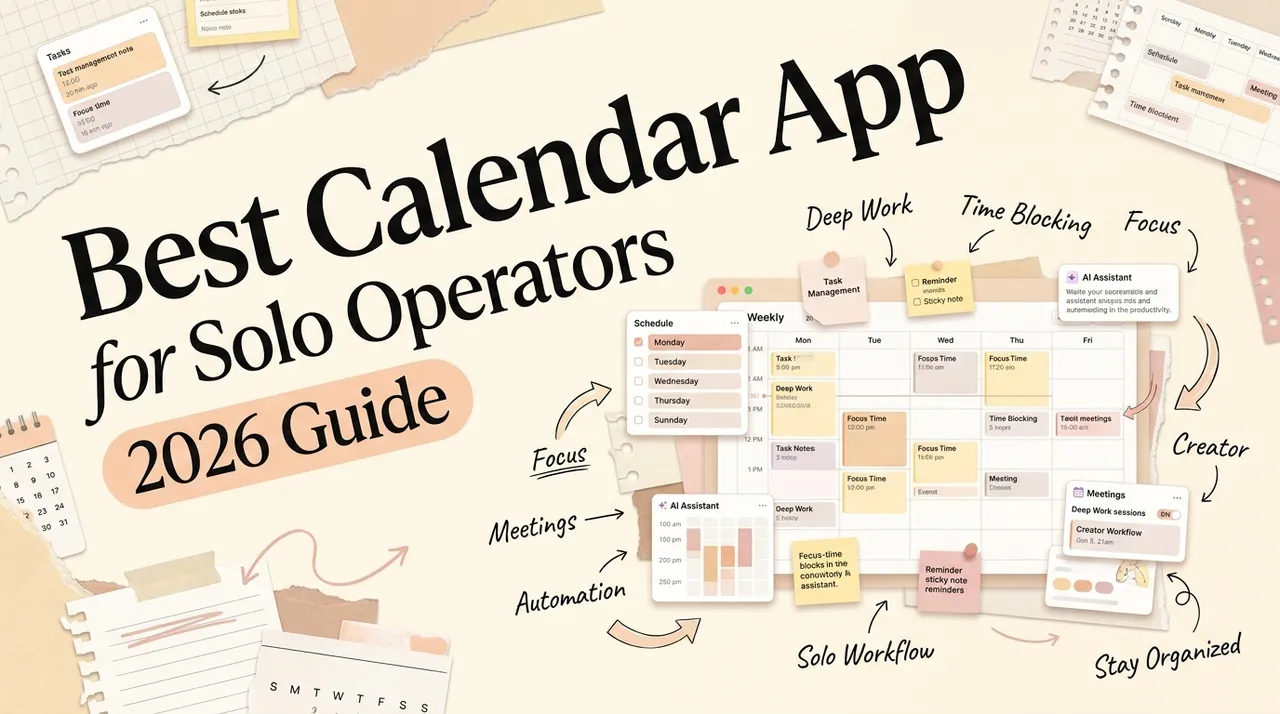
Choose the best calendar app for a solo business with one repeatable test covering devices, accounts, tasks, booking, sharing, privacy,…
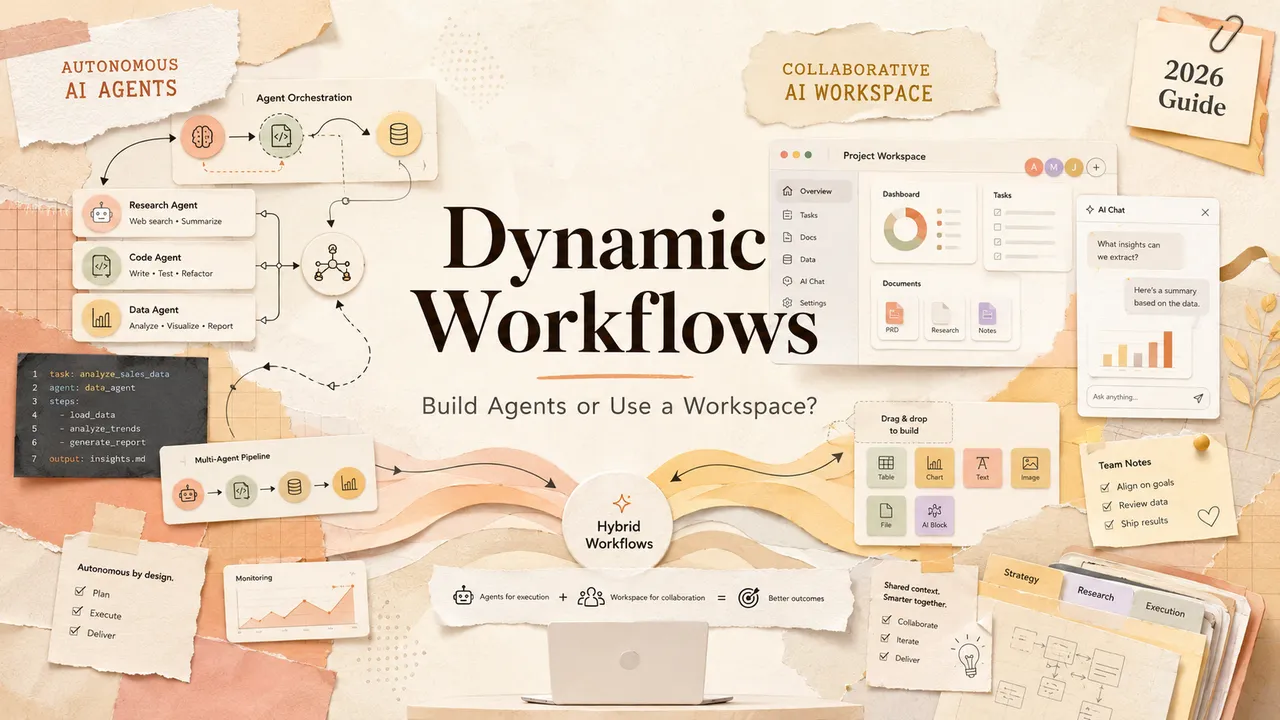
Dynamic Workflows raises a practical question: should solo operators build agent orchestration or use a workspace built for execution?
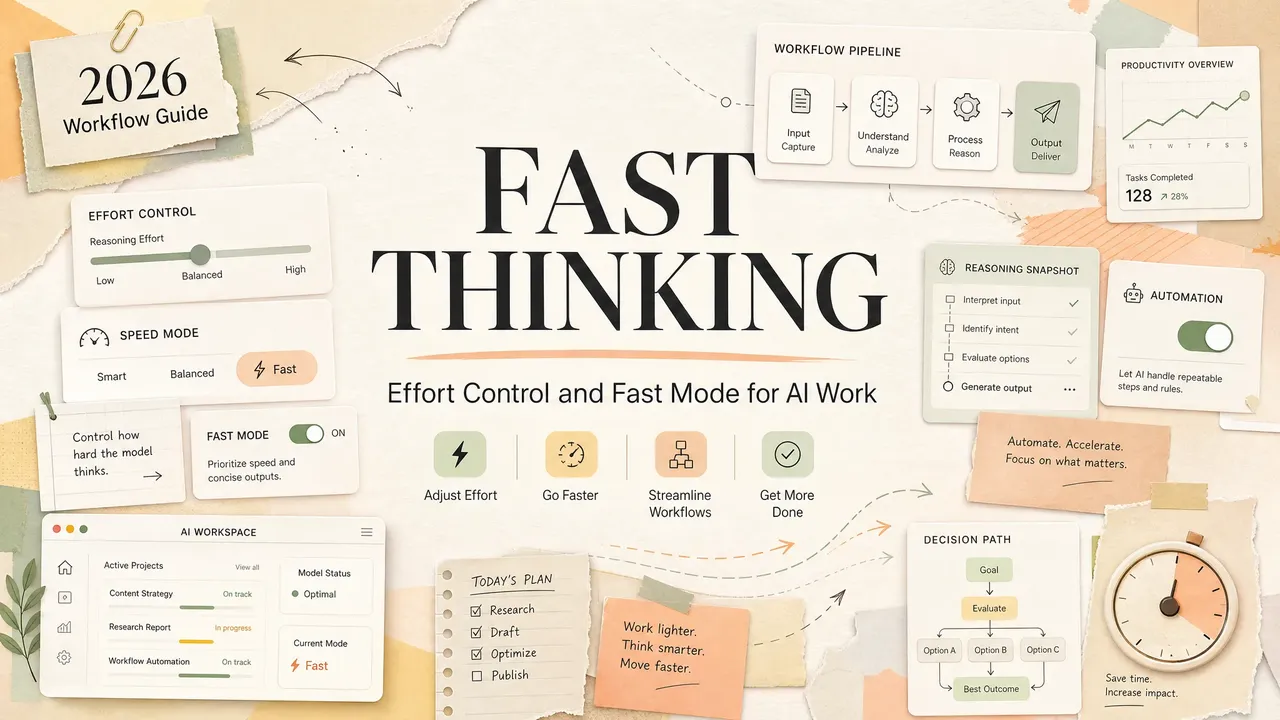
A practical framework for choosing AI reasoning effort and response speed by task risk, latency, cost, and review burden.
Compare Google Calendar and Outlook on sharing, delegation, meetings, tasks, AI, administration, privacy, coexistence, and migration…
Compare Google Calendar and Apple Calendar on ecosystems, sharing, cross-platform access, offline use, privacy, AI, automation, and…
A practical build-versus-buy framework for agentic AI systems, covering task fit, governance, integration, evaluation, total cost, lock-in,…
Gemini 3.5 Flash is stable but no longer Google's newest Flash model. Compare its capabilities, cost, privacy terms, and workflow fit…
An evidence-based HTML Anything review covering setup, supported coding agents, templates, exports, real costs, security boundaries,…
Build a reusable agent workflow in ChatGPT without an API: choose the right ChatGPT surface, define instructions, knowledge, apps,…
Compare AI agent builders across task fit, control, permissions, evaluation, observability and recovery, total cost, and exit options using…
Compare no-code AI agent builders by tools, control, observability, cost, and portability. Learn what to prototype, how to test it, and…
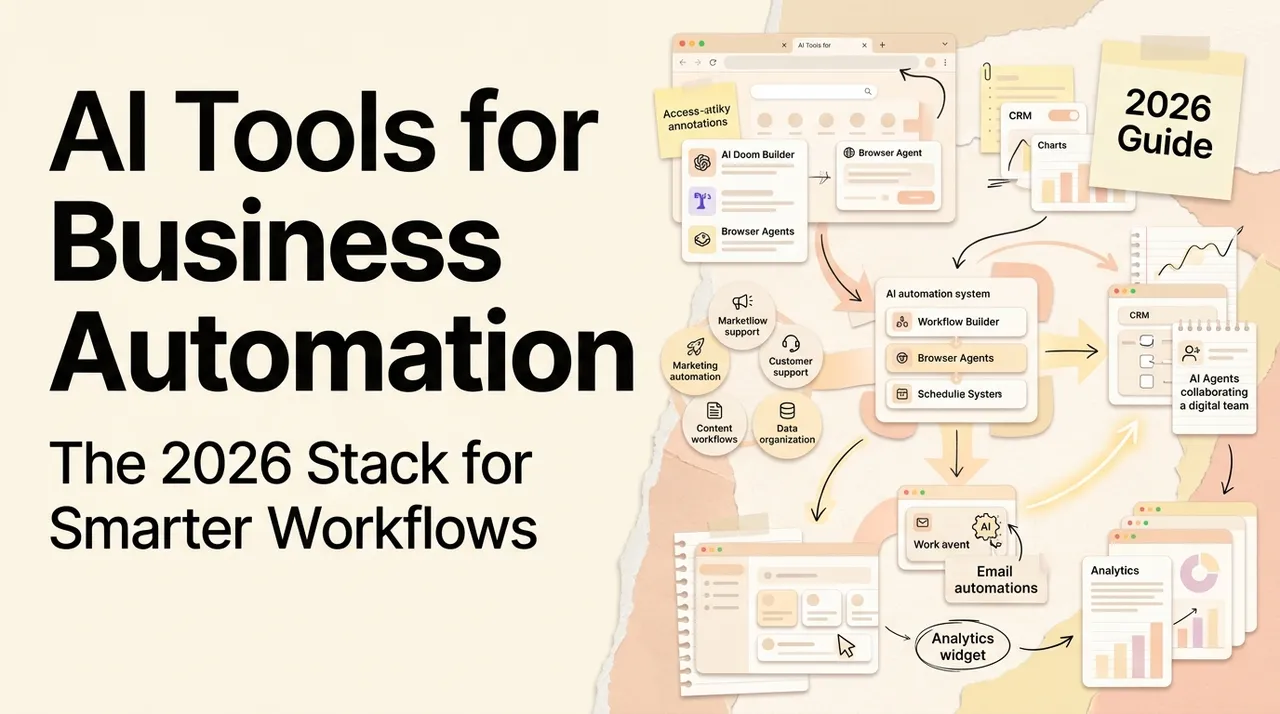
AI tools for business automation in 2026 should reduce repeated work, handoffs, and context switching without adding tool sprawl.
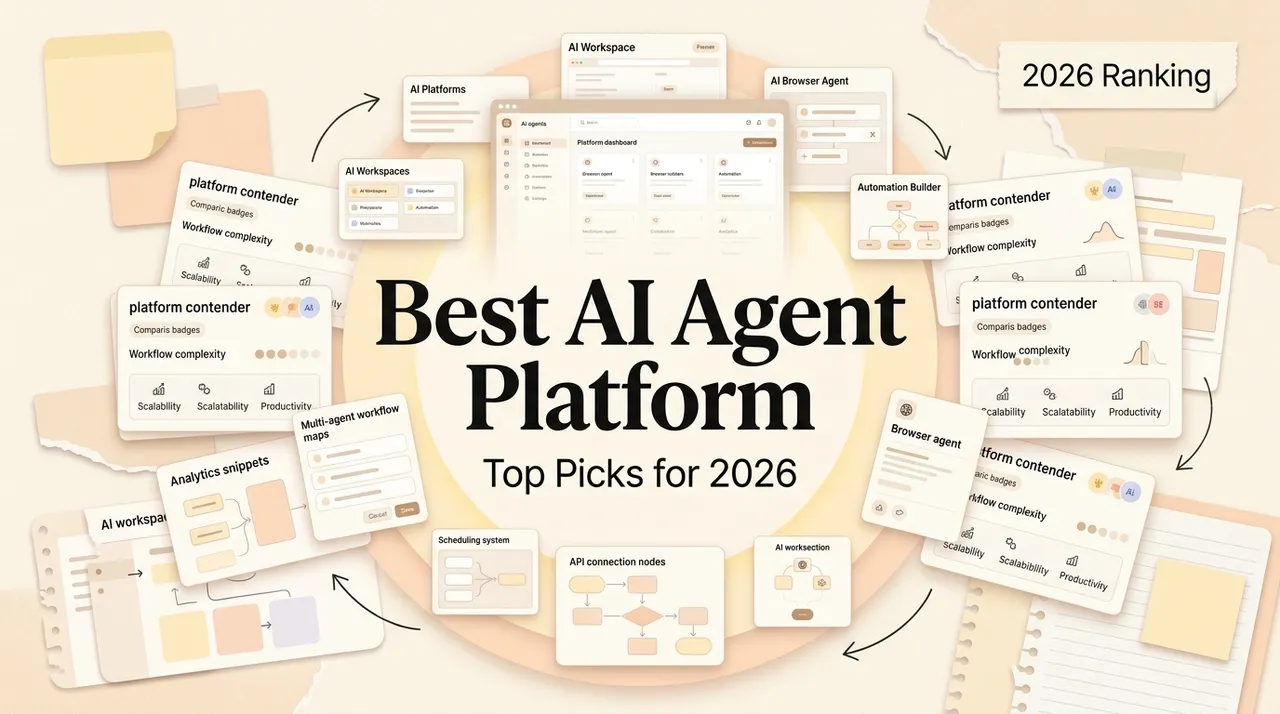
Choose the best AI agent platform for your task with a reproducible shortlist covering control, deployment, governance, evaluations, cost,…
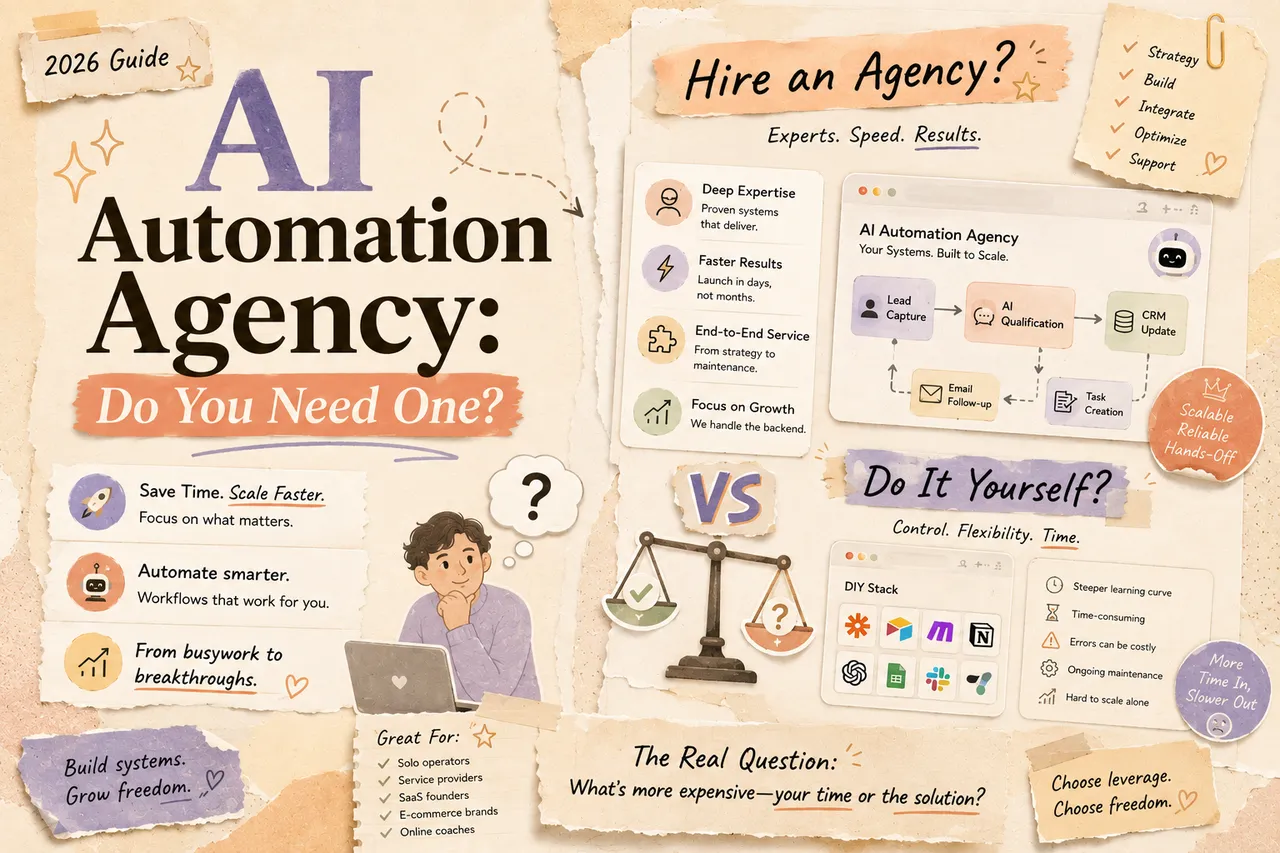
AI automation agency support can help, but solo operators should compare scope, ownership, maintenance, and tool alternatives first.
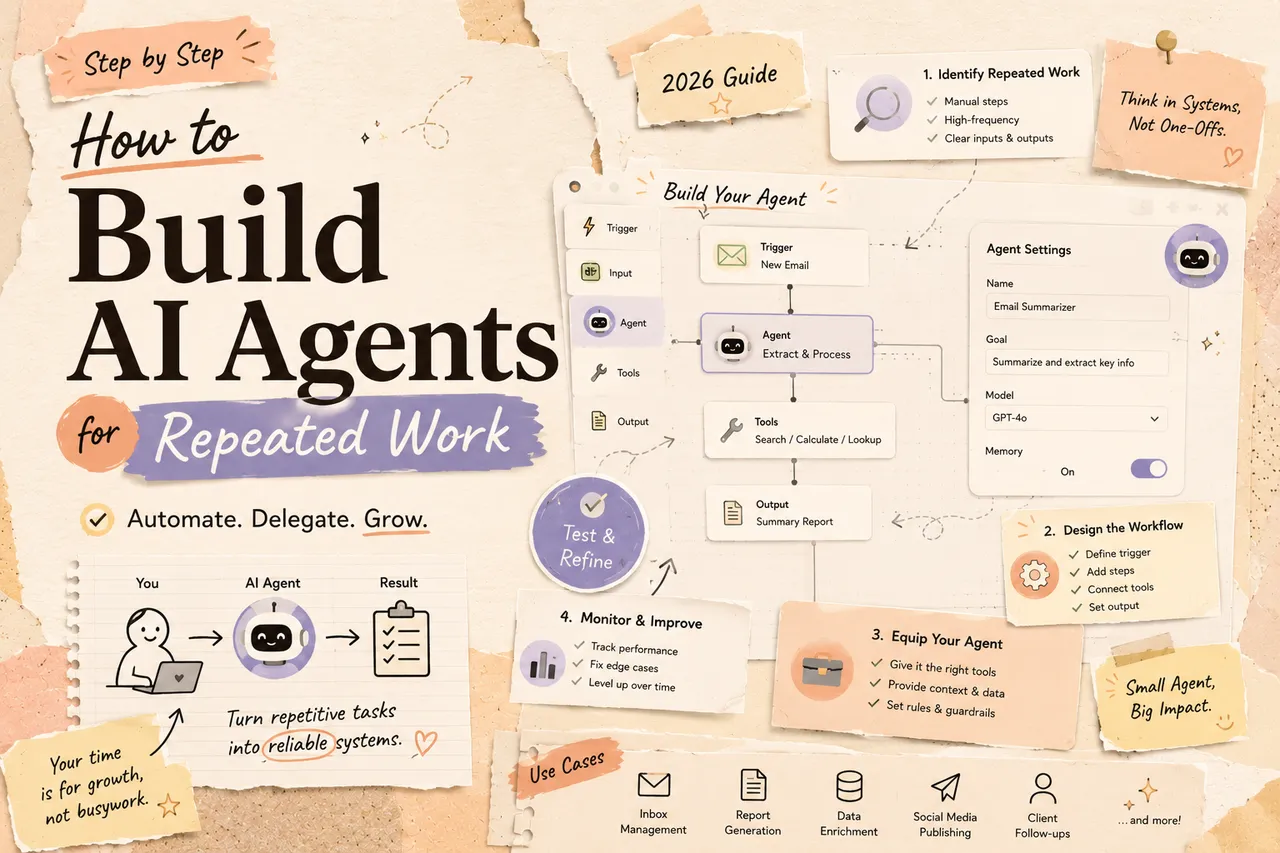
Build an AI agent for repeated work with a task contract, bounded tools, state, approvals, evaluations, observability, and safe…
Agentic AI tools help with multi-step work, but choosing one requires checking oversight, context, permissions, and failure handling.
Choose an AI assistant for personal use at work by employer policy, account ownership, data sensitivity, connected-app permissions,…
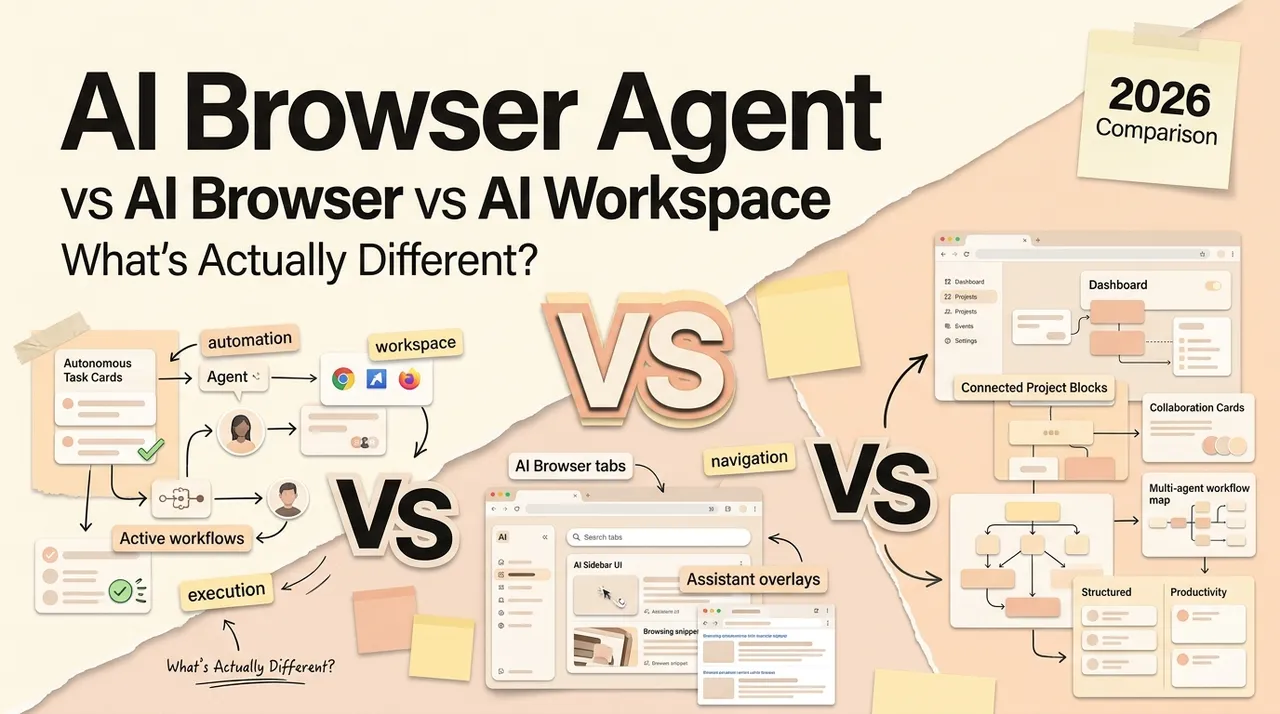
Compare browser agents, AI browsers, and AI workspaces by context, permissions, execution location, recovery, task fit, risk, and a…
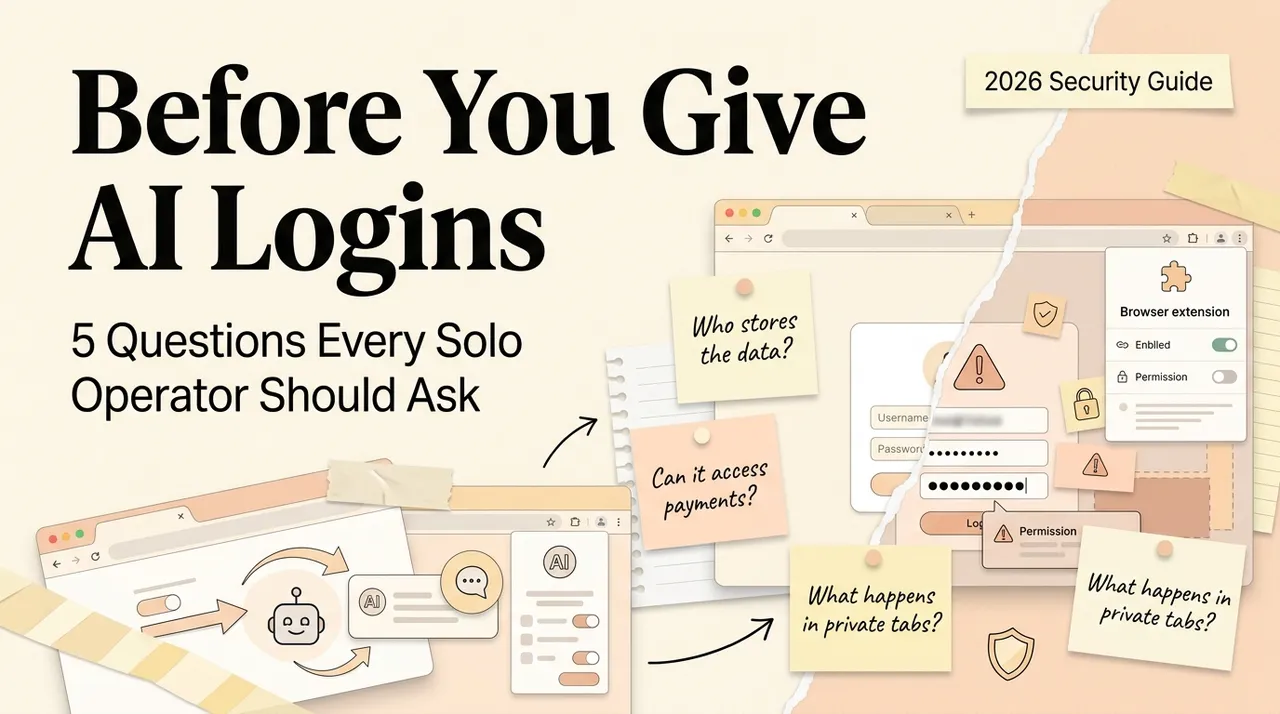
Before you let a browser AI agent touch your Gmail or CRM, walk through these 5 questions on permissions, memory, and prompt injection.
A task-by-task guide to browser AI agent capabilities, limits, permissions, failure modes, and reproducible tests for research, forms,…
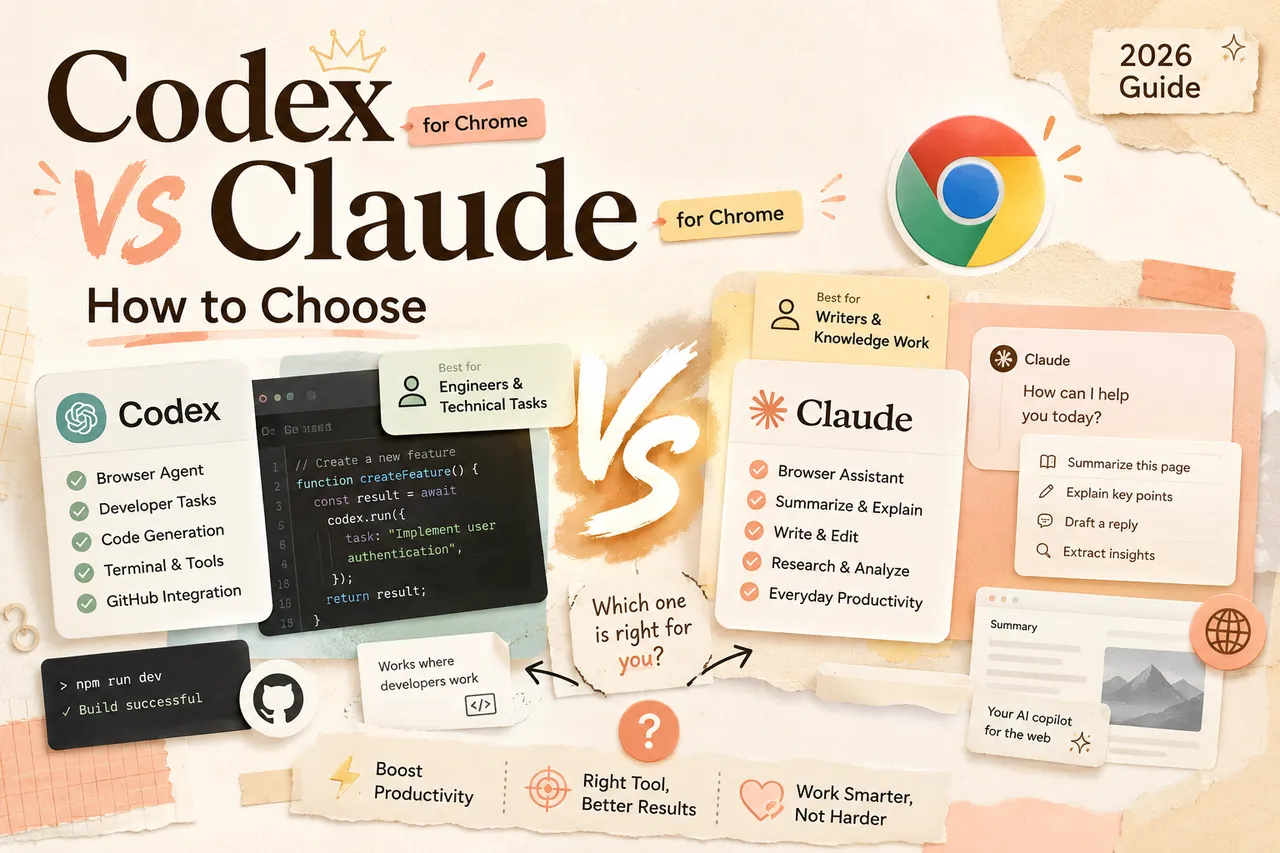
Compare Codex for Chrome vs Claude for Chrome on signed-in workflows, permissions, multi-tab work, and which solo operators should pick in…
Understand AI automation agency pricing through scope, complexity, usage, risk, maintenance, quote comparison, and contract terms—not…
What Meta Muse Spark offers solo operators, what changed by version 1.3, and how to test whether switching models improves a real workflow.
Use a task recovery packet to reduce context rebuilding, then compare a workspace agent with a maintained project note in a one-week test.
Compare oh-my-codex and Superpowers by scope, supported runtimes, workflow enforcement, state, parallel work, installation risk, and…
Learn when a workspace agent fits solo work, which permissions and failure modes to inspect, and how to run a controlled 14-day buying…
Workspace agents work alongside you; workflow builders run defined pipelines. Here's how the two differ and which fits your work better.
Compare GPT Image 2, Midjourney, and Nano Banana 2 with a controlled creator test covering editing, text, references, cost, privacy, and…
A controlled GPT Image 2 manga workflow for character sheets, panel generation, lettering, continuity review, rights checks, and…
Can GPT Image 2 produce a usable film or short-video storyboard on its own? Here's what a one-person creator can and can't pull off.
A practical guide to using GPT-6 Astra in a one-person company: task fit, costs, controls, evaluation, Floatboat access, and when a cheaper…
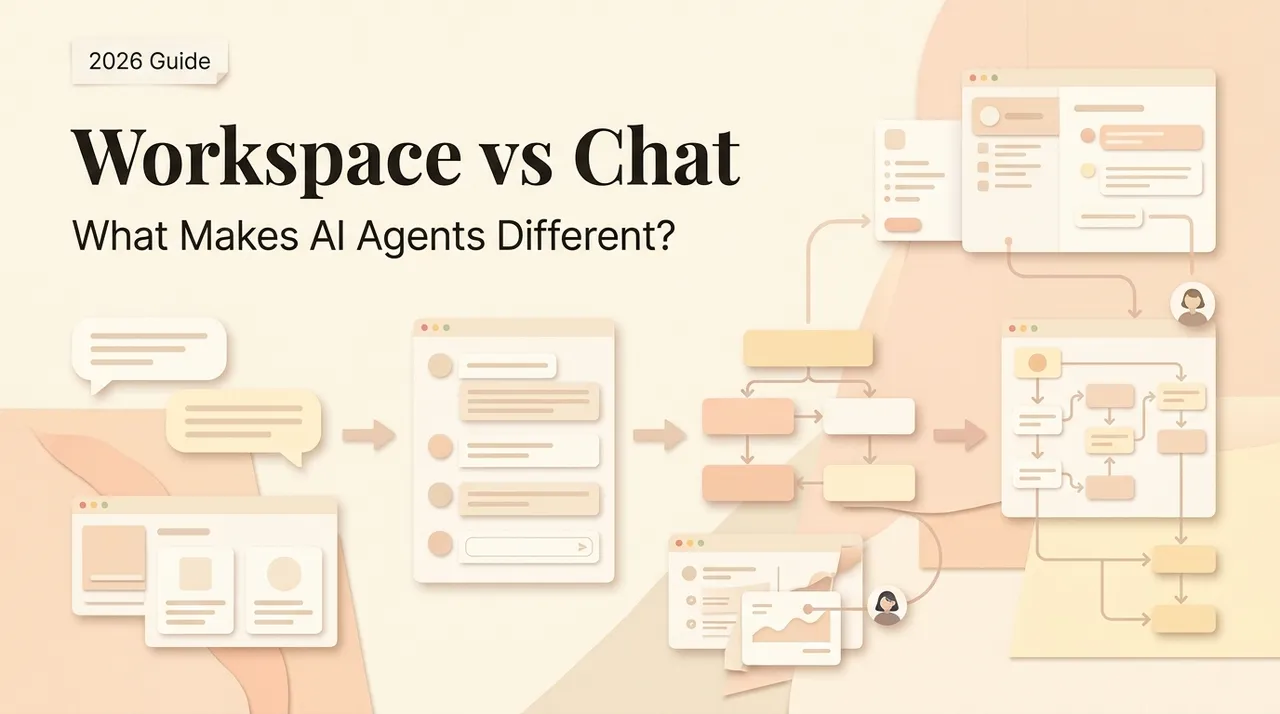
Compare workspace agents and chat assistants by system boundary, context, state, tools, execution time, deliverables, supervision,…
AI workspace agents are a new category of AI that works inside your real workspace — files, browser, tools. Here's what they are and who…
The Grok 3 API is retired and its model slug redirects to Grok 4.3. Learn what existing users are billed, which xAI model fits each…
Claude Managed Agents gives builders a hosted agent runtime. Learn when that infrastructure helps a solo company, what it does not replace,…
Turn vibe-coded prototypes into reviewable software with a bounded AI agent workflow: acceptance criteria, repository rules, tests, diff…
A current DeepSeek V4 API guide for solo operators: model IDs, peak and off-peak prices, cache economics, routing caveats, and a practical…
OpenAI proposed paid 32-hour pilots as an AI efficiency dividend. Here is what that policy idea does—and does not—mean for a one-person…
Vibe coding lets anyone build with AI and plain language. Here's what it can do for a one-person company — and where it breaks.131 chars
Choose an AI agent by comparing workspace agents, managed agents, SaaS builders, workflow automation, and self-hosting with one repeatable…
Scale a one-person business by diagnosing the constraint, then testing offer, pricing, deletion, automation, or contractor capacity before…
A practical implementation guide for solo founders: audit repeated work, choose one pilot, write acceptance tests, build safely, measure…
Create a bounded paid offer, choose a pricing basis, calculate a defensible floor, and test the first solopreneur price without pretending…
Design an AI workflow for a solo business by mapping work, context, tools, permissions, handoffs, review, records, and failure recovery…
Claude Managed Agents is Anthropic's hosted runtime for long-running agents. Learn what it manages, where it fits, its limits, and how…
Diagnose why an AI loses context between chats by separating context windows, session history, long-term memory, retrieval, and privacy…
A stage-by-stage guide to a solo founder's first 100 customers: define the customer, gather paid evidence, standardize what repeats, and…
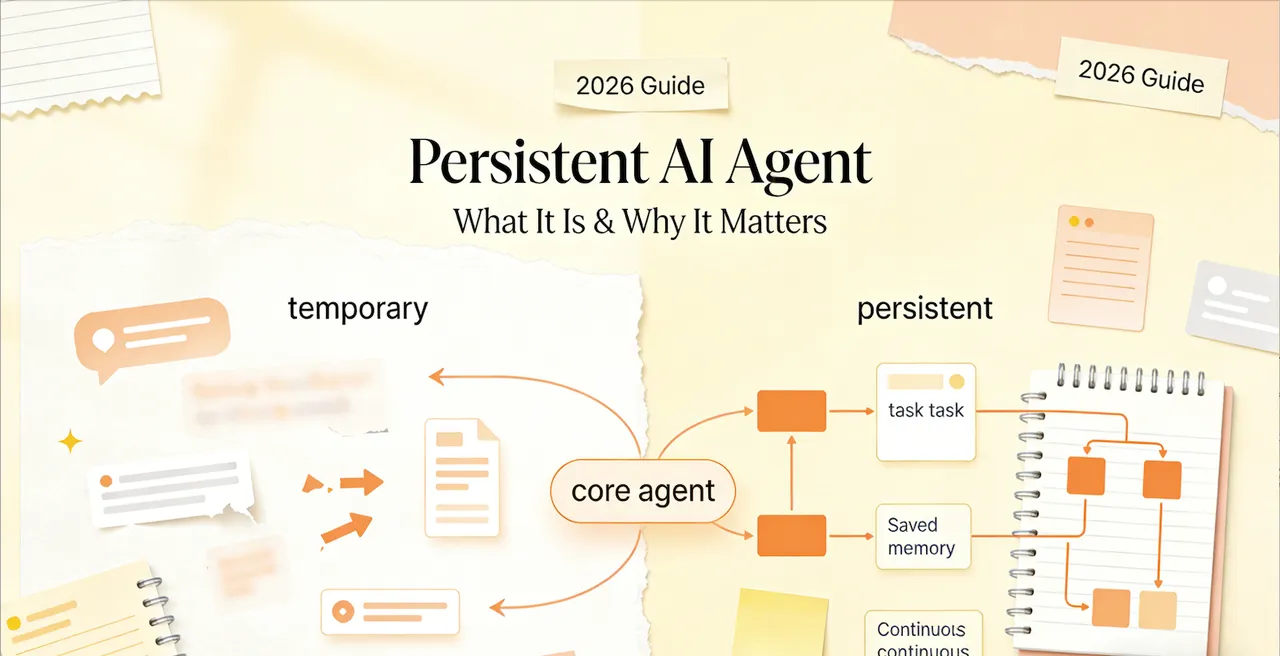
A persistent AI agent doesn't forget you when the session ends. Here's what that actually means for how you work — and why it's becoming…
A primary-source timeline of AI agents in 2026, with task-fit, risk and tool-selection guidance plus a four-stage pilot for solo operators.
Every time you close a chat tab, your AI forgets everything. Here's what solo operators actually lose — and why it matters more than most…
Claude Code is built for developers—but if you run a one-person business, here's what it actually means for you and whether you need it.
An LLM knowledge base sounds powerful — but is building one the right move for solo operators? Here's an honest breakdown of the trade-offs.
What solo founders can borrow from gstack: explicit workflow stages, review gates, inspectable artifacts, and stop conditions—not role-play…
Compare AI agents and AI assistants by who chooses the next step, how tools and permissions work, what state persists, where humans…
Compare Relevance AI and n8n by agent design, workflow control, pricing units, hosting, governance, maintenance, and a repeatable pilot—not…
A practical Feishu CLI guide for solo operators: official commands, authentication, least-privilege scopes, useful workflows, maintenance…
A practical guide to custom AI agent development: decide whether you need an agent, define requirements, design tools and state, control…
Compare Genspark and Manus by research quality, artifacts, permissions, repeatability, and workload cost, with a practical seven-task trial.
A practical guide to building an AI agent from task definition and tool design through permissions, state, evals, observability,…
Evaluate AI agent development services by scope, architecture, security, evidence, pricing structure, contracts, and a practical paid-pilot…
Compare Gumloop alternatives n8n, Make, Relay.app, and Lindy by workflow fit, permissions, recovery, cost units, migration risk, and a…
A 2026 Gumloop review of flows versus agents, runtime identity and permissions, current cost structure, run visibility, failure recovery,…
Compare workflow builders and AI workspaces by task shape, context, state, permissions, observability, cost, lock-in, and a practical…
Choose an AI agent use case by inputs, tools, outputs, approval gates, and failure modes. Includes documented examples and a practical…
Understand AI agents versus chatbots through execution loops, tools, state, permissions, task fit, risk, and a practical test for choosing…
Use role contracts, inspectable handoffs, evidence checks, and review gates to give a one-person business team-like operating discipline…
Choose Lindy or Gumloop with the same task: compare agent instructions, visual workflows, permissions, approvals, run records, recovery,…
/blog/category/nova