GPT Image 2 vs Midjourney vs Nano Banana 2 for Creators
Compare GPT Image 2, Midjourney, and Nano Banana 2 with a controlled creator test covering editing, text, references, cost, privacy, and licensing.
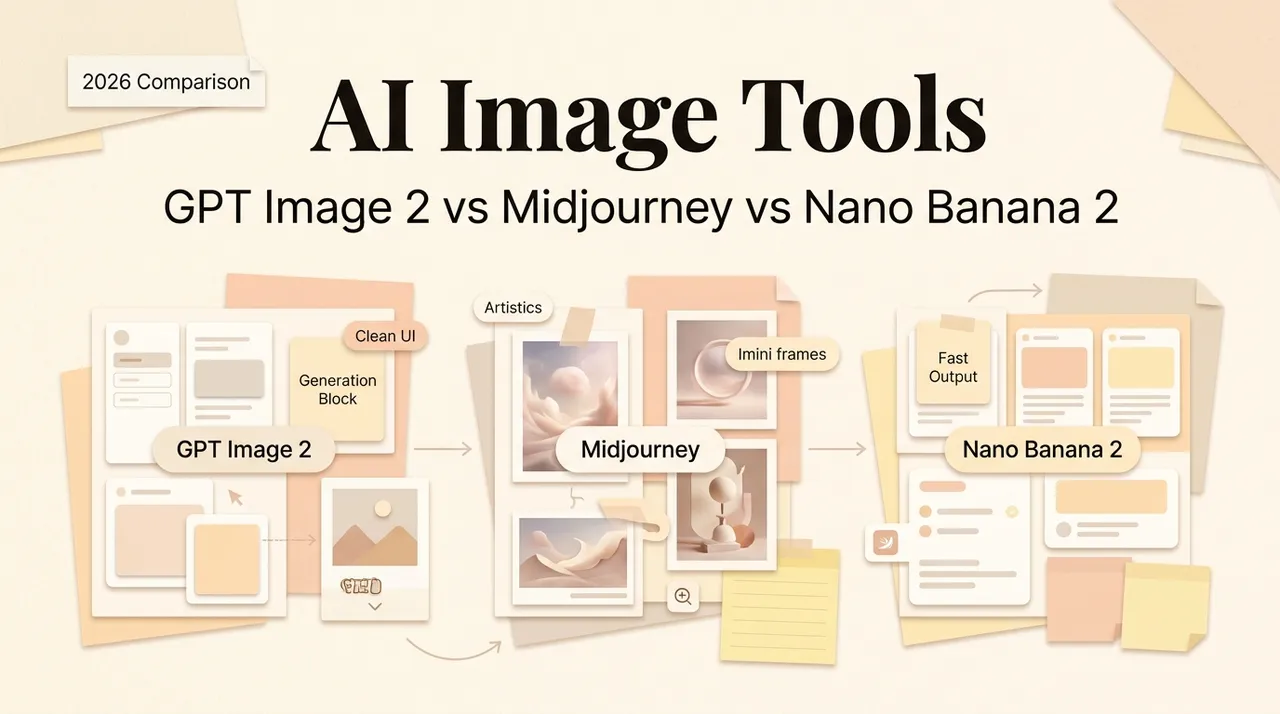
Information checked October 13, 2026. This is a workflow comparison, not a permanent ranking. Google now recommends Nano Banana 2.1 for new work, OpenAI documents GPT Image 2.5 models for new API integrations, and Midjourney plans and features can change.
GPT Image 2, Midjourney, and Nano Banana 2 should be compared on accepted output, not launch leaderboards. The right question is: which tool completes your recurring visual job with the least correction, rights risk, and total cost?
Current status before you compare
- GPT Image 2: still listed by OpenAI. The current image guide also points new API workflows to GPT Image 2.5 variants. GPT Image pricing includes text input, image input, and image output tokens.
- Nano Banana 2: Google lists
gemini-3.1-flash-imageas the previous-generation workhorse and recommends Nano Banana 2.1 for new projects. Google documents 1K, 2K, and 4K generation, conversational editing, reference inputs, and SynthID. - Midjourney: access, fast/relax capacity, privacy, and commercial conditions depend on the current plan. Verify the official plan comparison and terms before buying for client work.
Use one test pack, not three impressions
Prepare ten jobs from your real backlog: a text-heavy poster, localized variant, character sequence, product edit, background removal, reference-style adaptation, wide banner, square social image, factual diagram, and open-ended concept. Give each tool the same source assets and acceptance criteria.
Score first-pass acceptance, edit rounds, identity drift, text corrections, artifact cleanup, time to approval, and total cost. Keep blind filenames during review if visual preference matters. This method also prevents the GPT Image 2 comic workflow from being mistaken for a universal image-model verdict.
Compare documented job shapes
GPT Image 2
OpenAI positions it for readable text, layout, editing, instruction following, and production assets. Test it when the image must carry copy or when reference-based edits matter. Do not infer perfect typography or continuity; retain editable text and review every output.
Midjourney
Evaluate it for concept exploration and art direction through its current web product. Its subscription model differs from token-priced APIs, so compare accepted images per paid month and review privacy requirements. Do not declare an “aesthetic winner” without a blinded brief-specific review.
Nano Banana 2 and 2.1
Google documents conversational editing, multiple resolutions, reference inputs, and Search grounding for current Nano Banana models. Search grounding can add separate charges, and Google’s API pricing distinguishes standard and batch rates. Test whether grounding improves the actual brief instead of assuming fresh web context is always desirable.
Cost and licensing checklist
For API tools, record input images, output size, quality, edits, retries, grounding, and batch discounts. For subscriptions, record fast capacity, queued work, privacy, team access, and unused allowance. Then add human correction time.
Commercial use is not one checkbox. Confirm account tier, ownership language, privacy mode, training/data terms, reference-image rights, trademark use, client disclosure, and local law. Generated files may carry provenance signals such as SynthID; a watermark or metadata marker does not itself settle copyright ownership.
Original visual references
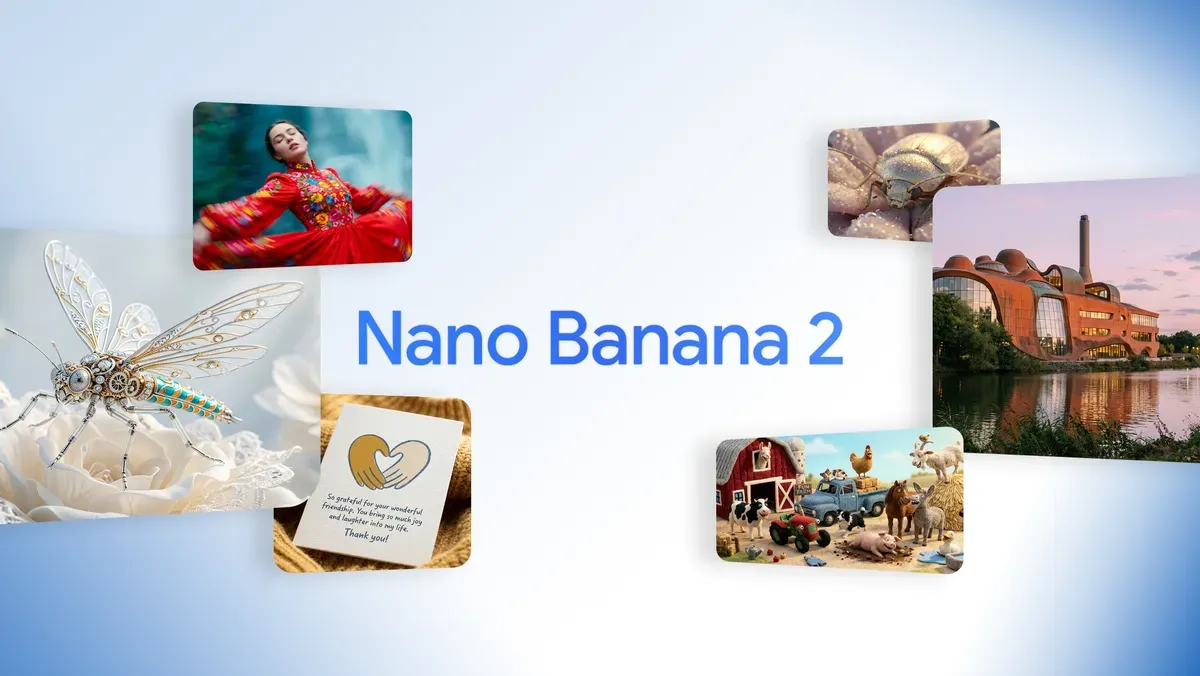
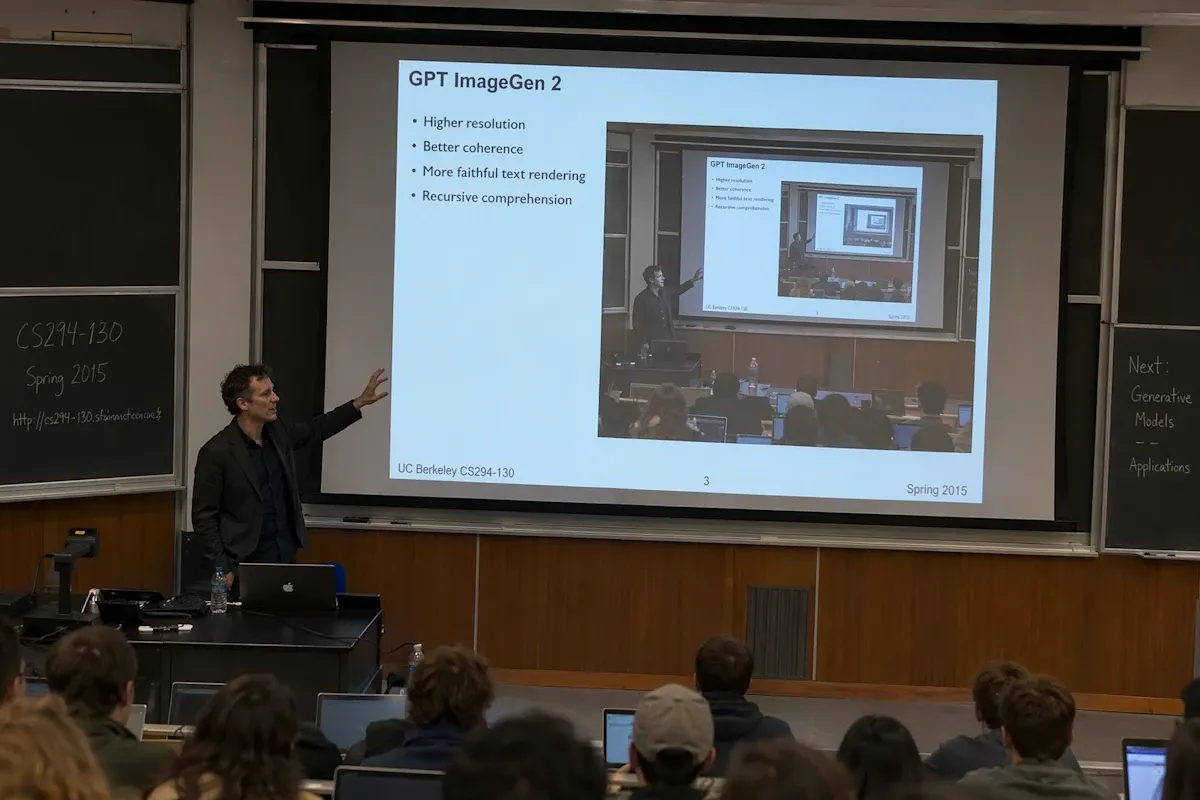
These images are restored from the article's original publication to preserve interface, workflow, and comparison context. Any product UI, pricing, benchmark result, or model availability shown is a historical capture; verify current official information before making a decision.
A conditional selection rule
Choose the tool with the lowest cost per accepted asset in your test pack. Keep a second tool only when it covers a measured failure class—such as text layout, iterative editing, or concept breadth—that the first cannot. If you are building an automated pipeline, also compare API availability and review controls; the broader agentic AI tools guide explains why a strong standalone generator may still be a poor automation component.
Re-run the pack when a model generation, plan, or policy changes. That is more durable than “Tool A wins” copy written on launch day; the Meta Muse Spark decision guide can be read through the same switching-cost lens.
https://floatboat.ai/blog/gpt-image-2-vs-midjourney-nano-banana-2