oh-my-codex vs Superpowers: Codex Orchestration or Skill-Based Discipline?
Compare oh-my-codex and Superpowers by scope, supported runtimes, workflow enforcement, state, parallel work, installation risk, and maintenance cost.

Information checked October 13, 2026. Both projects change quickly. Confirm installation, supported hosts, commands, and licenses in their repositories before adopting them.
oh-my-codex and Superpowers solve different layers of coding-agent work. oh-my-codex (OMX) is a workflow and runtime layer around Codex CLI, with commands, agent teams, HUDs, hooks, and project state. Superpowers is a portable software-development methodology expressed as composable skills, with strong emphasis on planning, testing, debugging, and verification.
The shortest useful distinction
Choose OMX when your bottleneck is operating Codex sessions and coordinating work inside its supported environment. Choose Superpowers when your bottleneck is consistent engineering behavior across supported coding agents. They may coexist, but combining them adds instructions and failure modes, so prove the need first.
What the official projects document
The official OMX repository identifies Yeachan-Heo/oh-my-codex and the oh-my-codex npm package as canonical. It describes commands such as $plan, $team, $code-review, and $ultraqa, stores state under .omx/, and says macOS or Linux with Codex CLI is the recommended default. It explicitly warns that native Windows and Codex App are not its primary supported path.
The official Superpowers repository describes a methodology built from composable skills. Its documented workflow emphasizes brainstorming, planning, test-driven development, systematic debugging, review, and verification. Runtime-specific installation and tool mappings are maintained in the repository; verify the guide for Codex, Claude Code, Kimi Code, or another host rather than assuming identical behavior.
Compare the operating model
| Question | OMX | Superpowers |
|---|---|---|
| Primary scope | Codex session workflow and orchestration | Portable engineering process |
| Main unit | Command, agent/team, hook, project state | Skill with trigger and procedure |
| State | .omx/ plans, logs, and runtime state | Repository plans, tests, and host skill state |
| Parallel work | Documented team/orchestration commands | Delegation appears inside defined workflows |
| Best first test | One bounded Codex task | One feature from design through verification |
This table describes architecture, not quality. Neither project guarantees better code, lower token use, or fewer defects without a controlled task.
Run a two-task evaluation
Use one small bug fix and one multi-file feature. Give both setups the same repository state, acceptance tests, permissions, and time budget. Record setup time, clarification quality, changed files, tests run, review findings, merge-ready rate, token or subscription use, and cleanup needed.
Test interruption too: stop midway, resume, and inspect whether state is understandable. Then introduce one failing test and one ambiguous requirement. A workflow framework earns its keep when it handles uncertainty and recovery, not when a happy-path demo finishes.
For the broader distinction between an execution runtime and instructions layered onto it, see what an agent harness is. The Codex Harness overview explains the underlying runtime boundary; neither OMX nor Superpowers replaces model access, sandbox policy, or organizational approval.
Adoption risks
Both projects can add automatic instructions, hooks, files, or commands. Review install scripts and requested permissions; pin versions for team use; keep generated state out of commits unless intended; document how to disable or remove the layer; and avoid two systems issuing conflicting planning or completion rules.
Original visual references
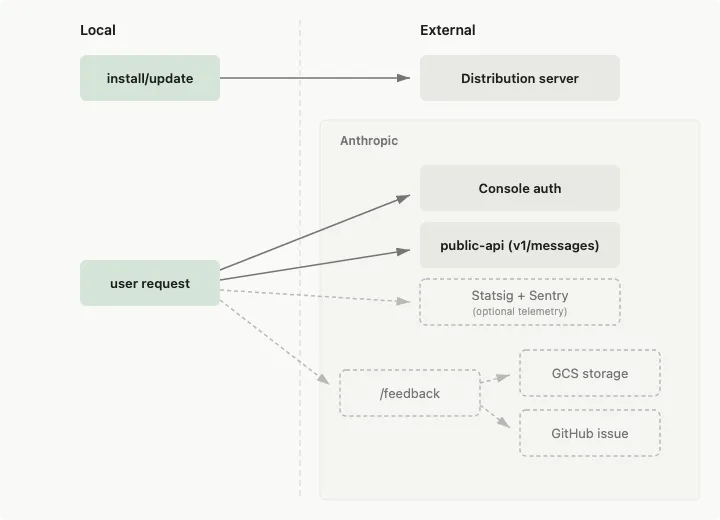
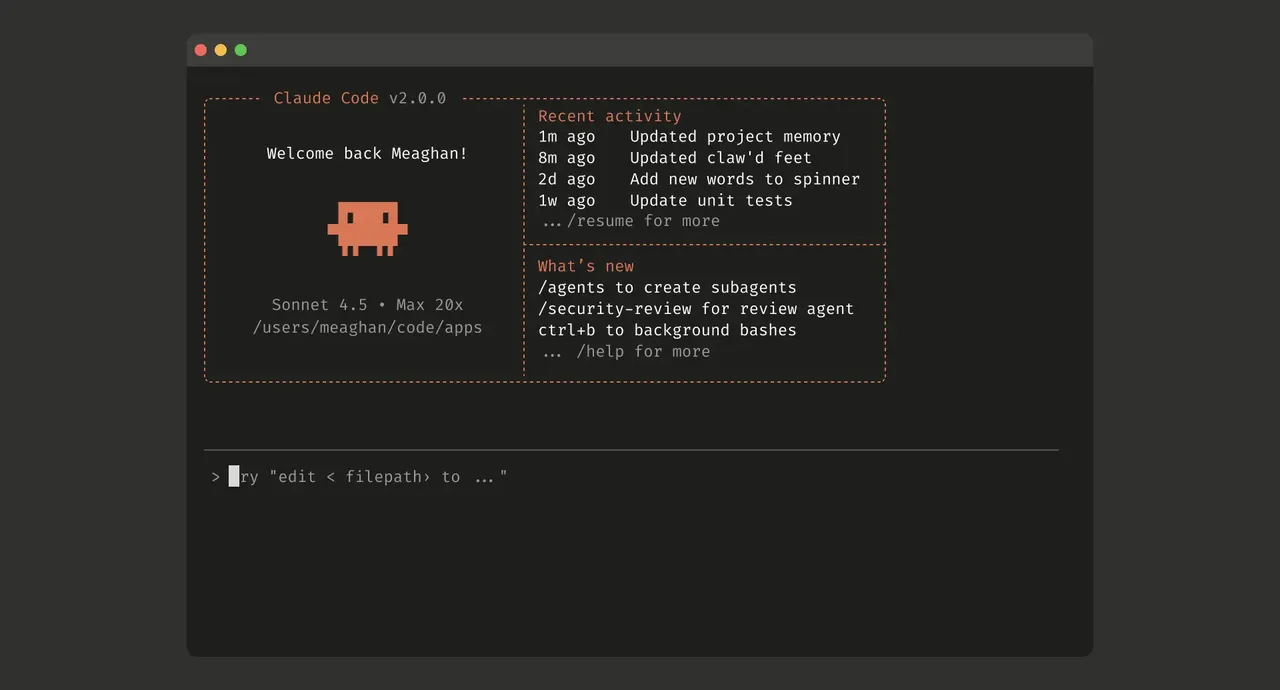
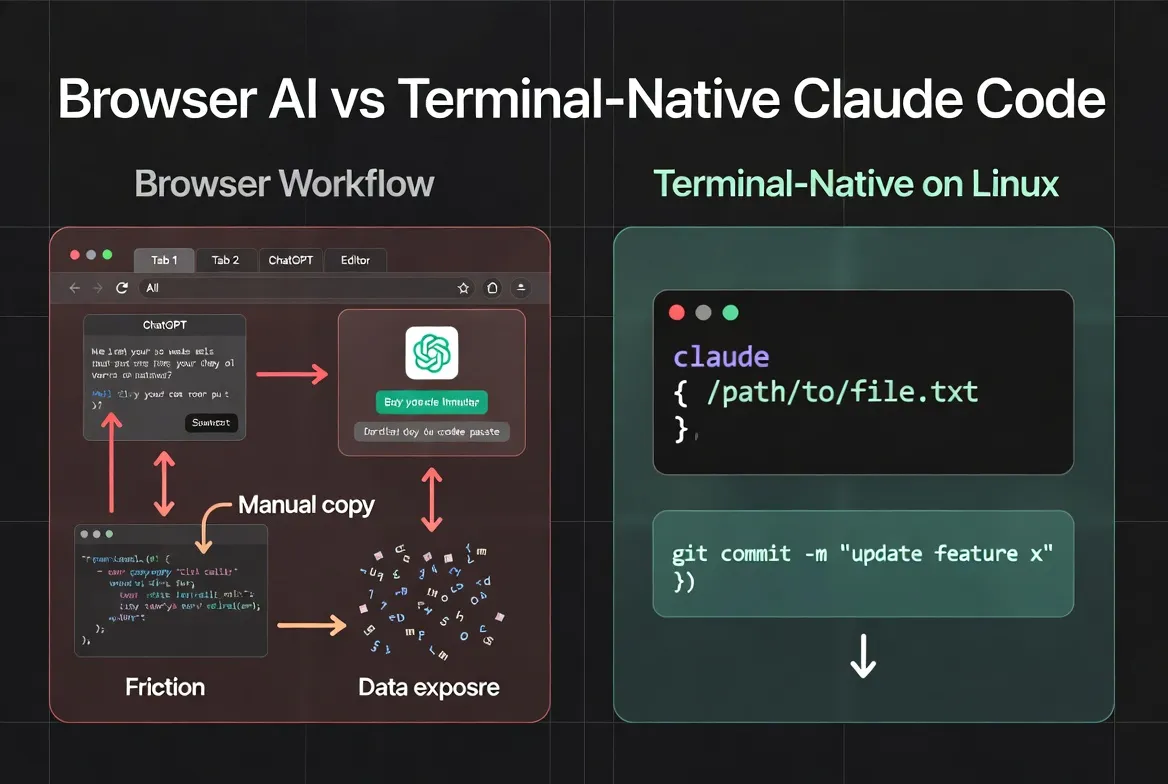
These images are restored from the article's original publication to preserve interface, workflow, and comparison context. Any product UI, pricing, benchmark result, or model availability shown is a historical capture; verify current official information before making a decision.
Decision rule
Start with the narrower intervention. If Codex operation is chaotic, pilot OMX on one repository and supported platform. If engineering discipline is inconsistent across tools, pilot Superpowers on one repeatable feature. Combine them only after separate pilots show complementary gains and your team can explain which layer owns planning, delegation, tests, and final verification. Non-developers should first review Claude Code's task boundaries before adding another orchestration layer.
Related posts

Local-First vs Cloud Agent Workspaces: Which Fits?
Compare local-first and cloud agent workspaces across files, privacy, background execution, connectors, reliability, and control—then…
Best Markdown Editors in 2026 — Ranked by Workflow, Not Features
Obsidian, Typora, VS Code, Zettlr, iA Writer and more, ranked by workflow fit. What each editor trades away, and where browser tools beat…

Math in Markdown: LaTeX Syntax and Where It Renders
How math in markdown works: dollar-sign LaTeX syntax, where it renders (GitHub, Obsidian, Jekyll), the KaTeX vs MathJax split, and honest…
https://floatboat.ai/blog/oh-my-codex-vs-superpowers