
What Is ChatGPT Space? OpenAI’s Persistent Workspace
ChatGPT Space brings Pages, files, collaboration, and ChatGPT into one persistent workspace. Learn what it replaces, how sharing works, and what it is not.
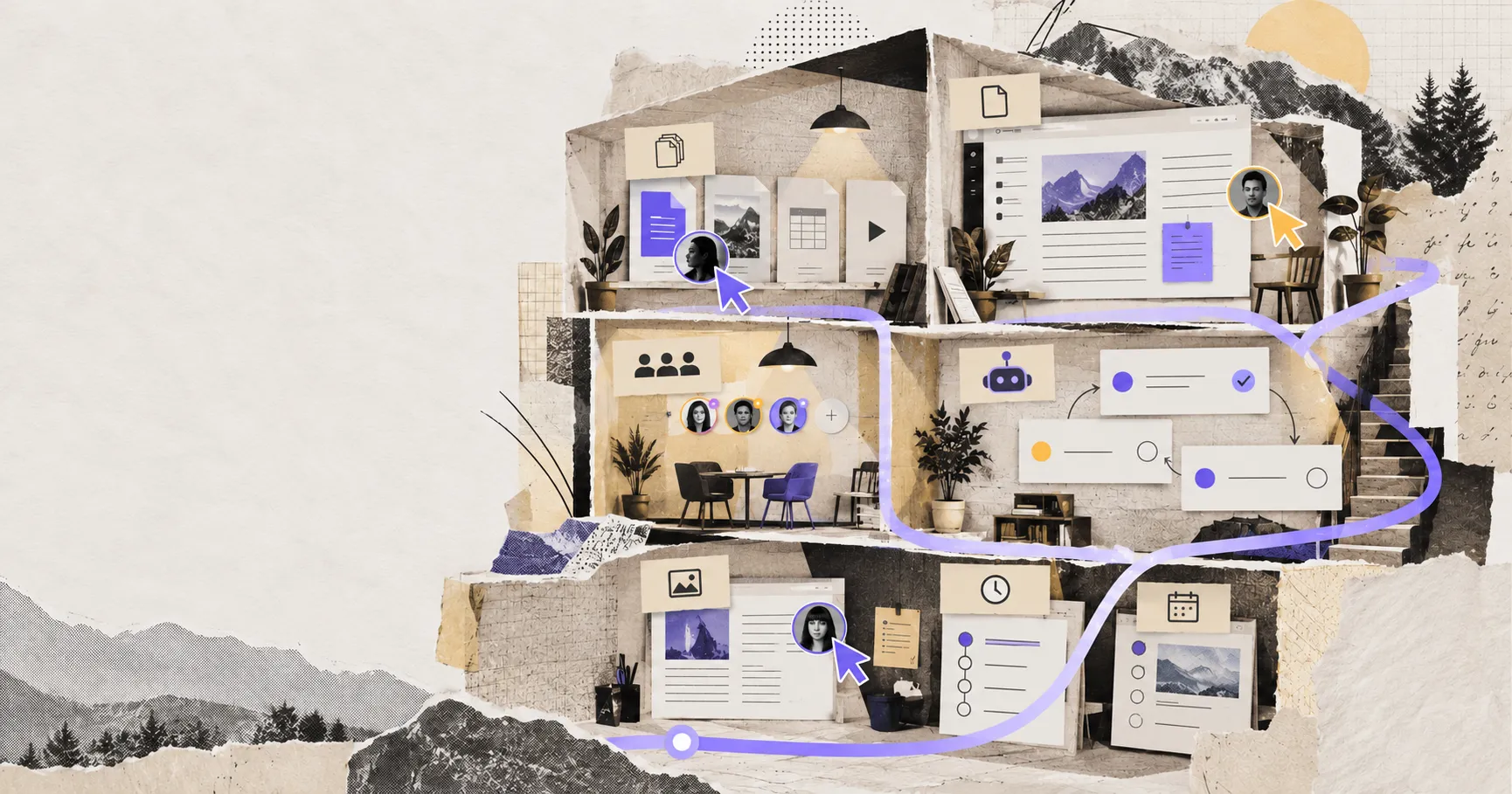
ChatGPT Space is OpenAI's home for files, editable Pages, and collaborative work inside ChatGPT. It gives work a durable place to live instead of leaving every useful result inside a conversation thread.
OpenAI introduced Space at DevDay 2026 and now documents it for Pro, Business, and Enterprise accounts. It replaces Library for accounts with access, while Projects remain a separate feature for project chats, files, and instructions.
What ChatGPT Space contains
The basic unit is a Page: an editable document you can draft with ChatGPT, revise directly, organize inside other pages, and share. A Space groups Pages, uploaded files, and related work so that people and ChatGPT can use the same material.
That makes Space closer to a collaborative document workspace than a renamed chat folder. Chat is still useful for discussion. Space is where the resulting material can be structured and maintained.
| Surface | Primary job |
|---|---|
| Chat | Conversation and immediate exploration |
| Project | Chats, project files, and project instructions |
| Space | Pages, uploaded files, organization, and collaboration |
| Workspace agent or dot | Ongoing execution using connected context and tools |
The boundaries matter because OpenAI explicitly says Projects remain separate. Moving from Library to Space does not automatically convert every Project into a Space or every conversation into an editable Page.
Why persistence changes the workflow
Traditional chat makes the thread the container. Useful output becomes difficult to organize: decisions sit between prompts, updated drafts coexist with obsolete drafts, and collaborators need the right conversation link to understand the result.
Space moves the center of gravity to the artifact. A Page can be edited, nested, shared, and revisited. Each collaborator can use their own ChatGPT agent with the shared content, while access remains attached to the Page and the managed workspace's sharing controls.
That is the same category shift explored in our guide to AI workspace agents: the conversation becomes a steering surface, while files and artifacts become the durable work.
Sharing and data controls
Page owners can grant view or edit access, review who has access, change permissions, and revoke sharing. In managed workspaces, administrator controls can restrict which sharing options appear.
Data settings also depend on account type and collaborators. OpenAI says Business and Enterprise data is not used for training by default. For personal accounts, the training setting of a collaborator interacting with shared content can affect how that interaction is handled. Teams should therefore treat sharing and model-training settings as part of the workspace design, not a footnote.
Space is not the same as an always-on agent
Space provides persistent content and collaboration. It does not by itself mean an agent will continuously run tasks. OpenAI's DevDay materials describe Dots as always-on agents that can work across connected apps and bring results back for review. Space supplies a shared home for those artifacts and context.
This separation is useful: the workspace stores and organizes work; the agent performs work; connectors determine which external systems it can read or change.
Who should use it
Space makes sense when the result must outlive a conversation: research collections, editorial planning, operating documents, project briefs, collaborative drafts, and recurring work that produces updated Pages.
It is less compelling for a one-off question or for work whose authoritative files must remain in a local repository. In those cases, a local-first agent workspace may offer a clearer ownership boundary.
What to verify before moving work into Space
- Which plan and workspace has access?
- Can collaborators view or edit, and who can reshare?
- Is the authoritative copy a Page, a Project file, or an external document?
- Which agents and connected apps can read the content?
- What export, retention, and training settings apply to each participant?
The bottom line
ChatGPT Space is the clearest sign that ChatGPT is expanding from a conversational product into a persistent work environment. Its value is not simply “more storage.” It is the combination of editable Pages, file organization, collaboration, and agent-accessible context. The important operational decision is still yours: decide what belongs in Space, what remains in Projects or local files, and which agents receive permission to act on it.
Sources: OpenAI's DevDay 2026 overview, Getting started with Space, and Space sharing, data, and controls.
https://floatboat.ai/blog/what-is-chatgpt-space